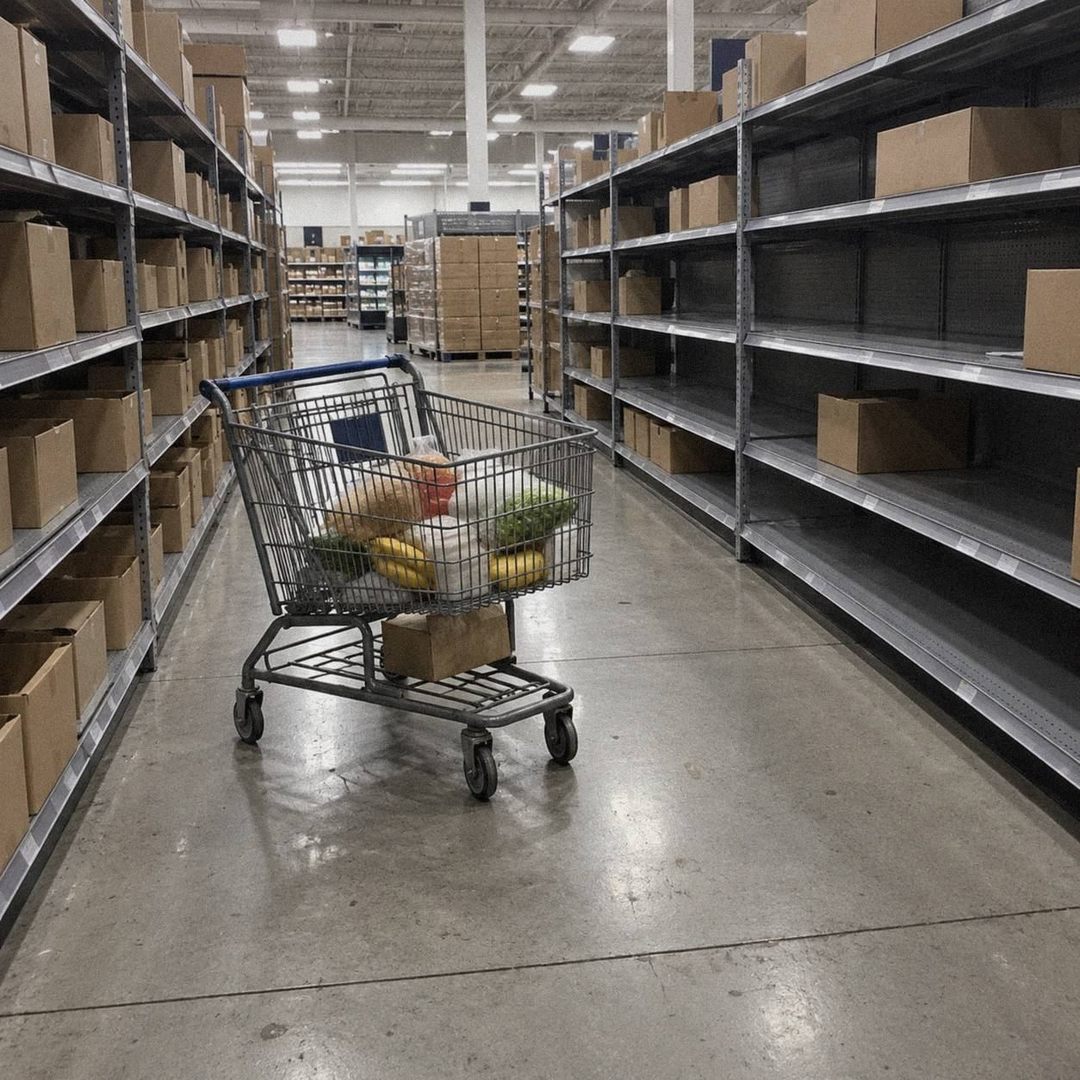
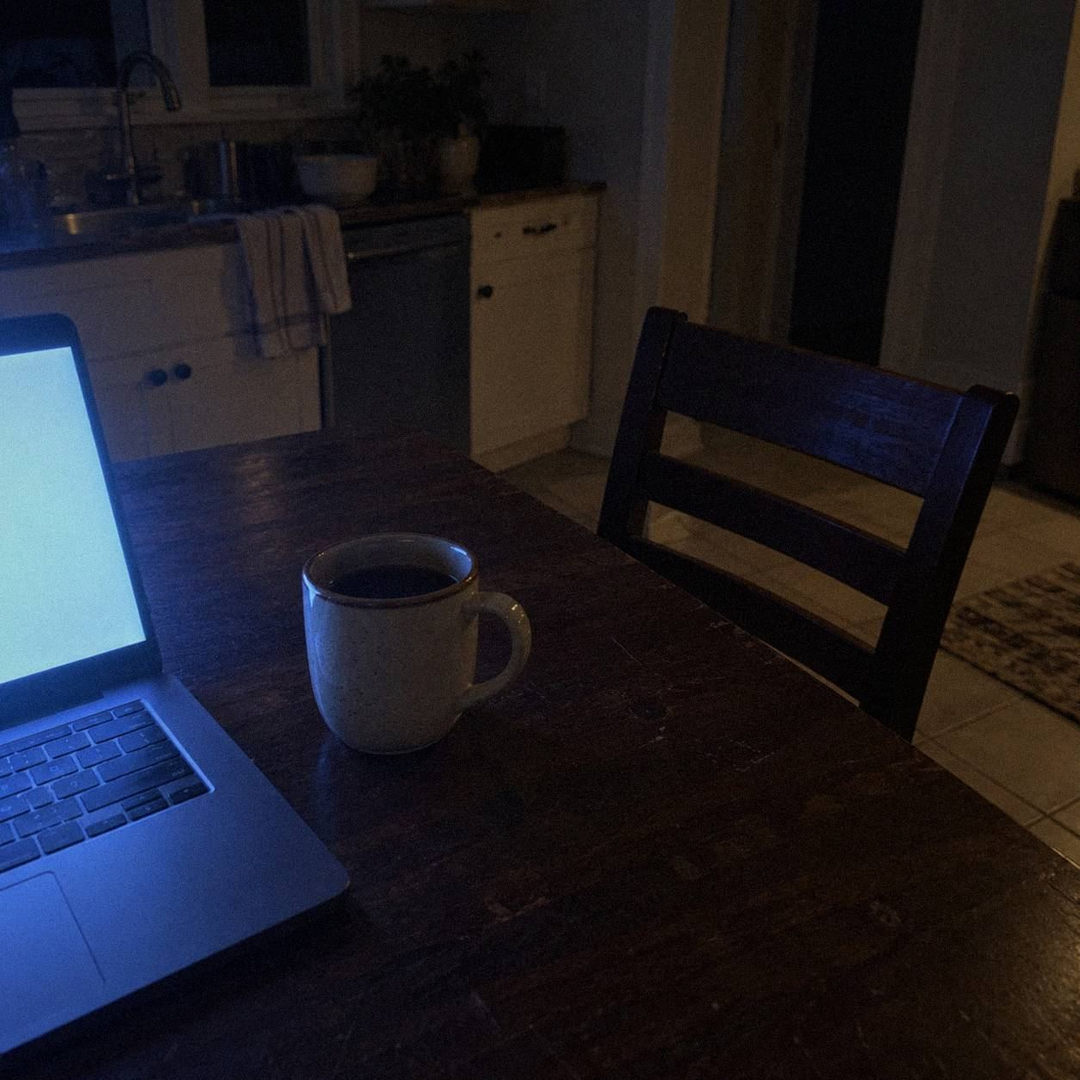
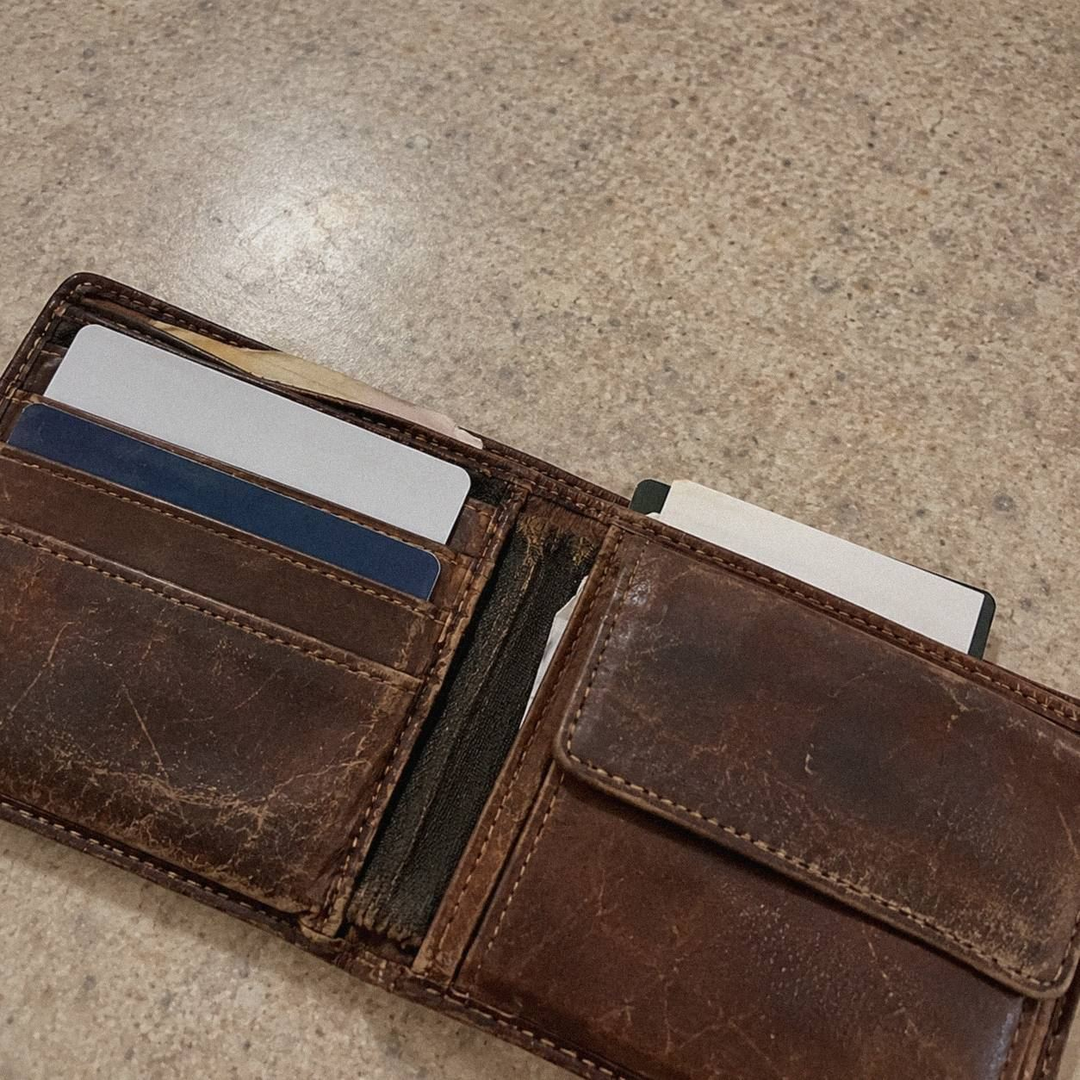
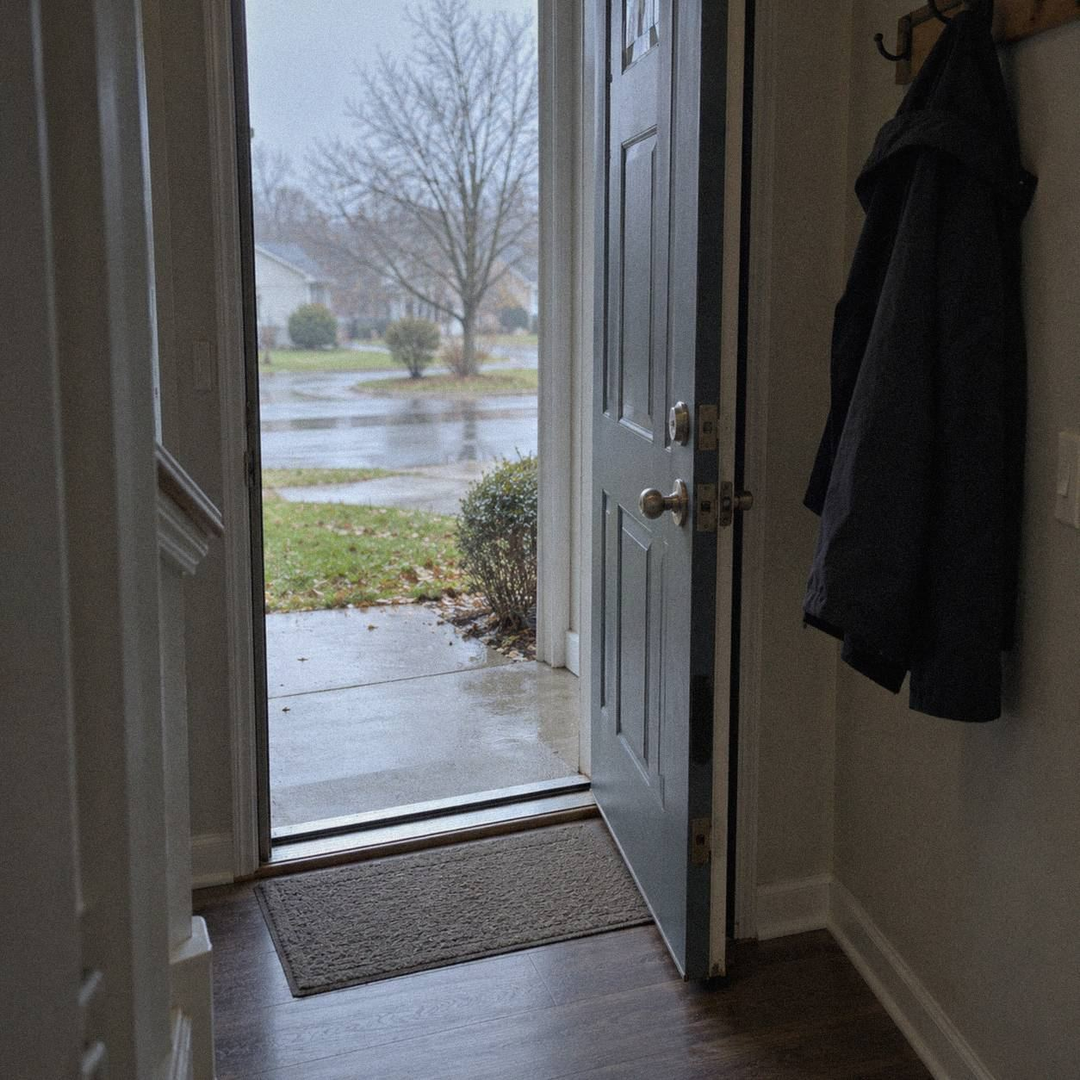
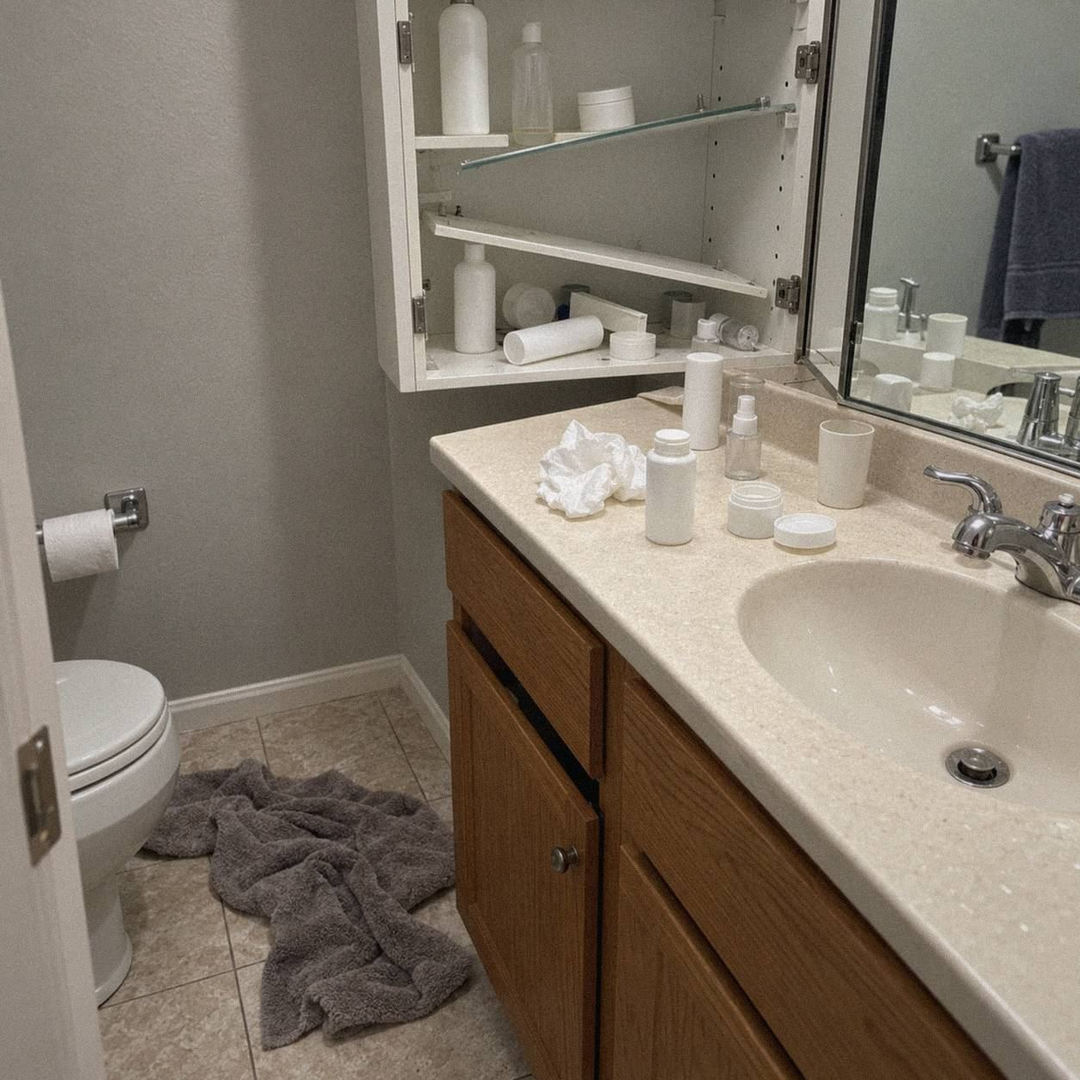
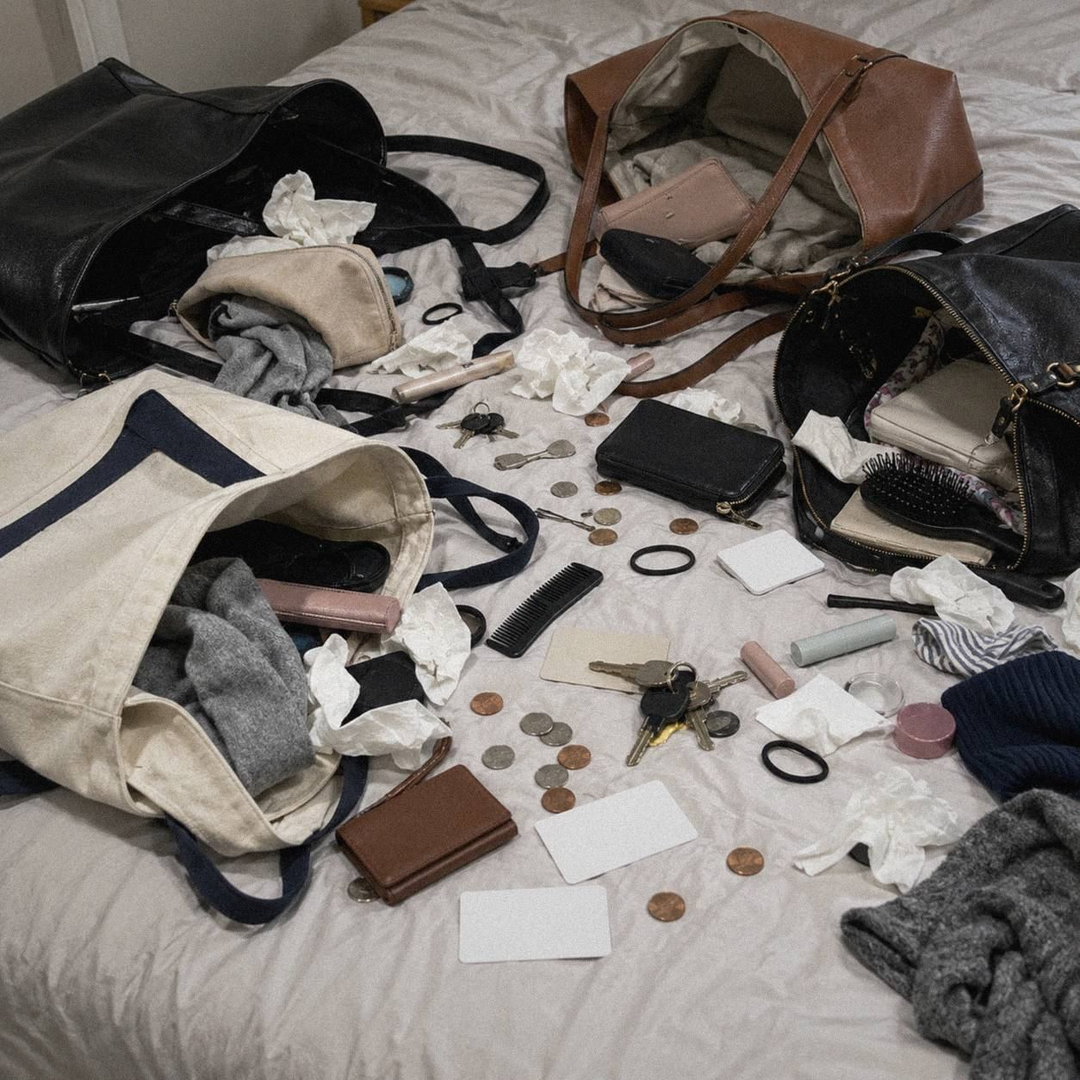
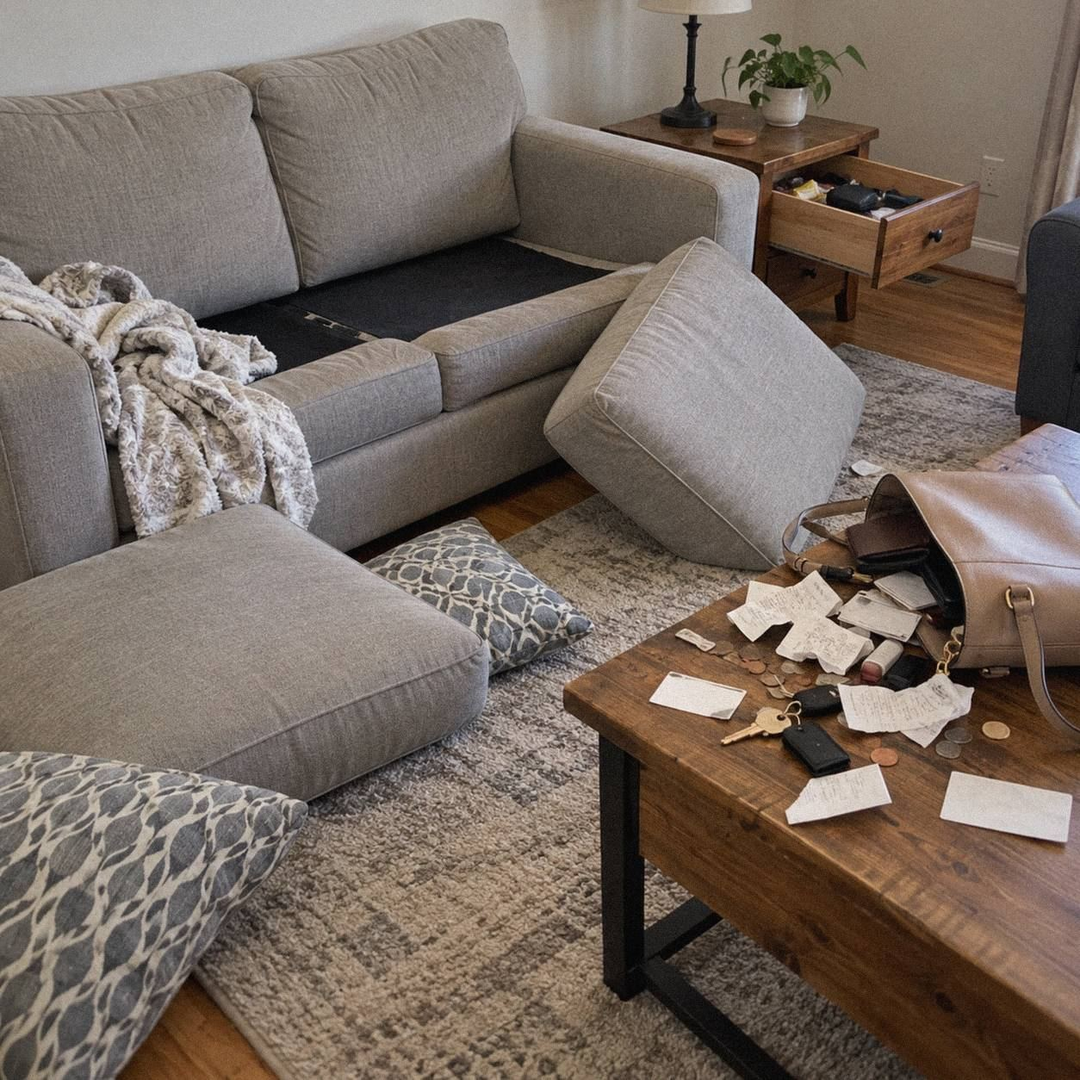
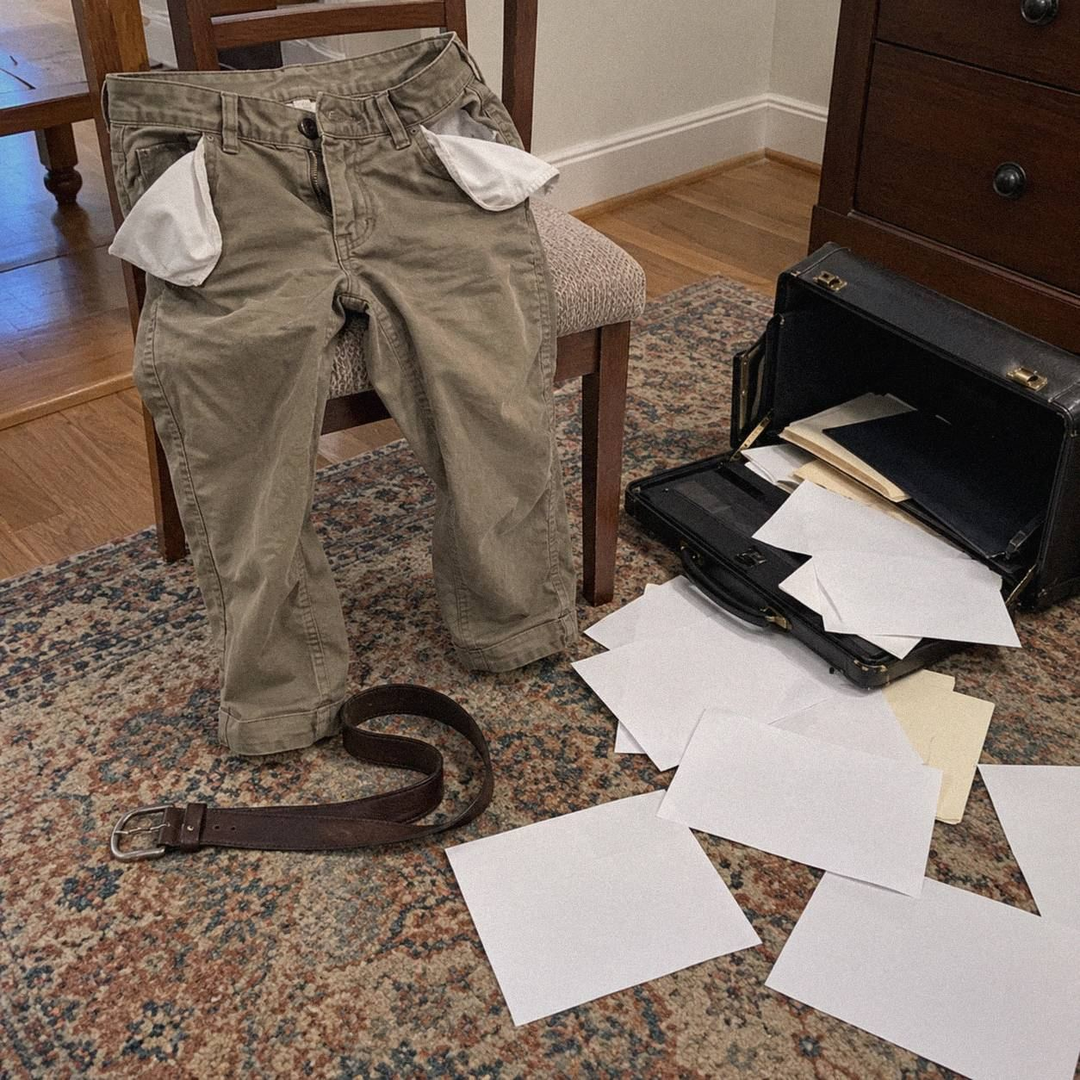
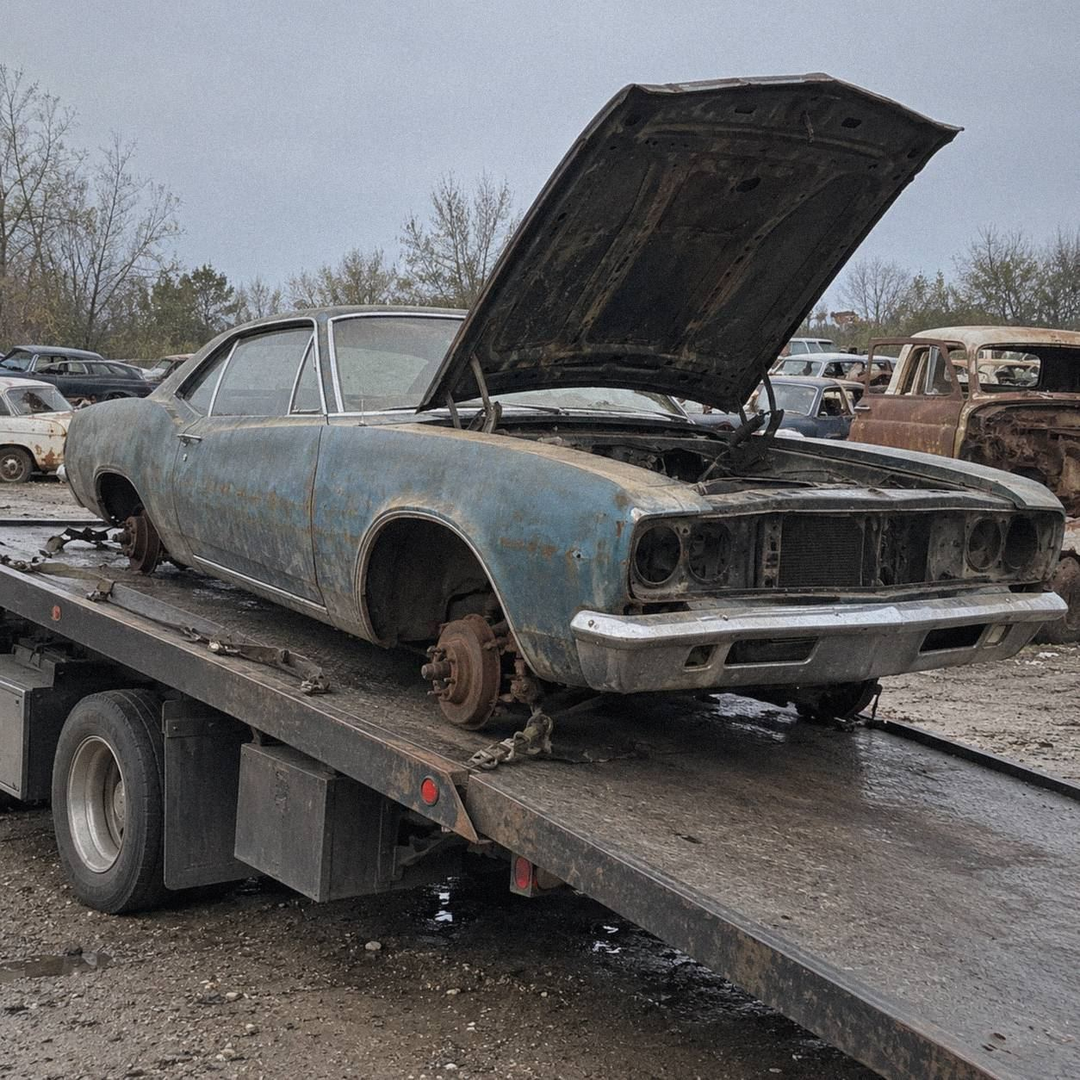
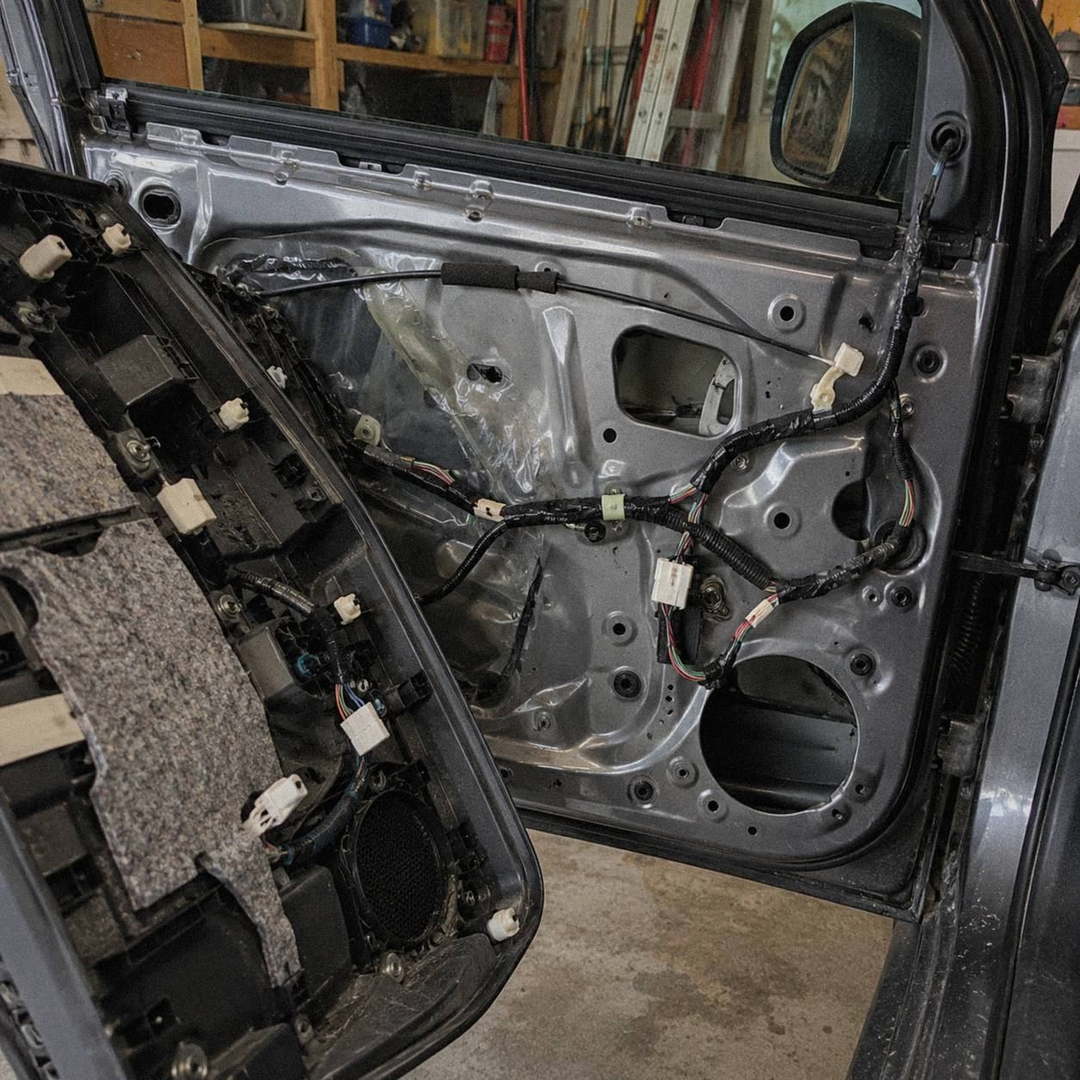
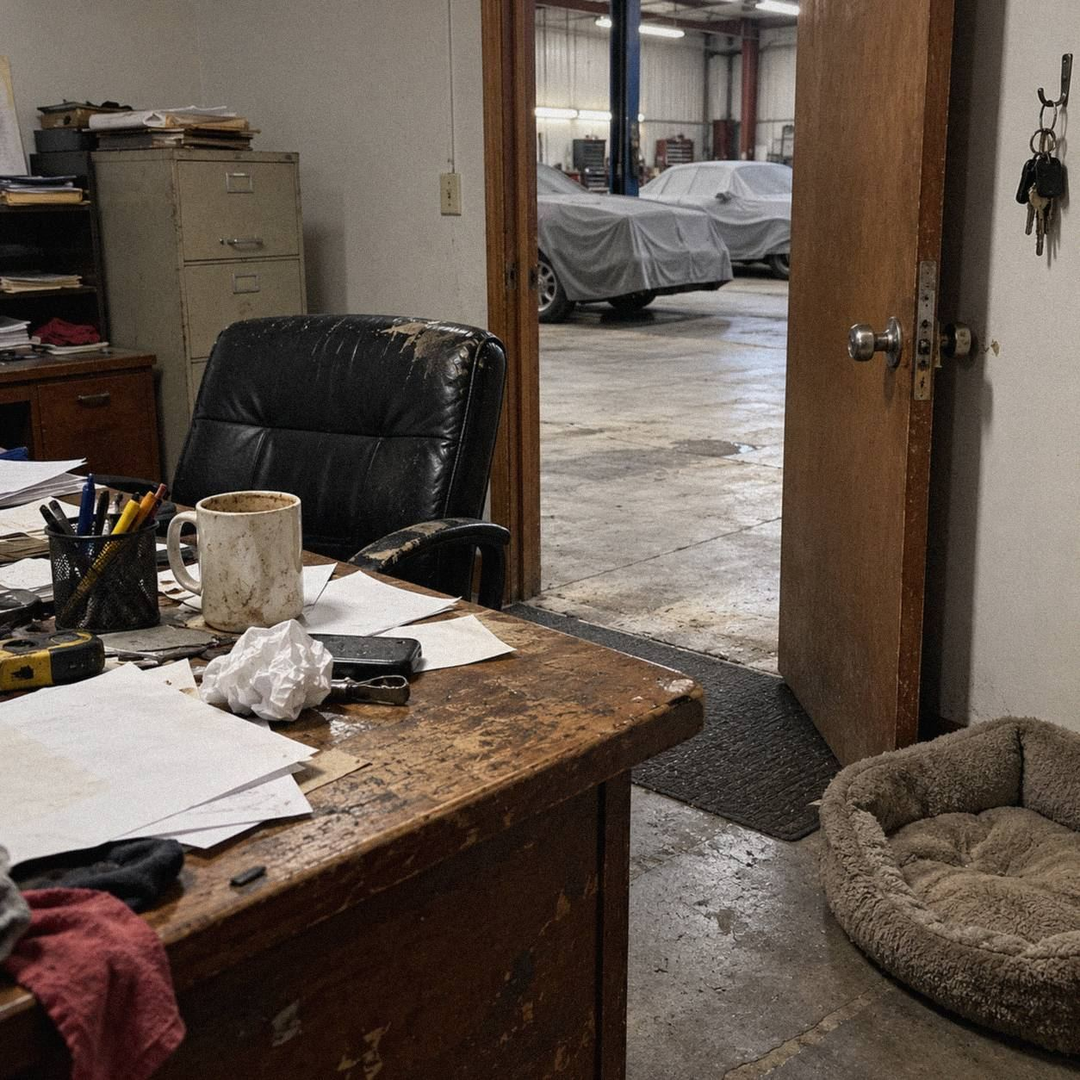
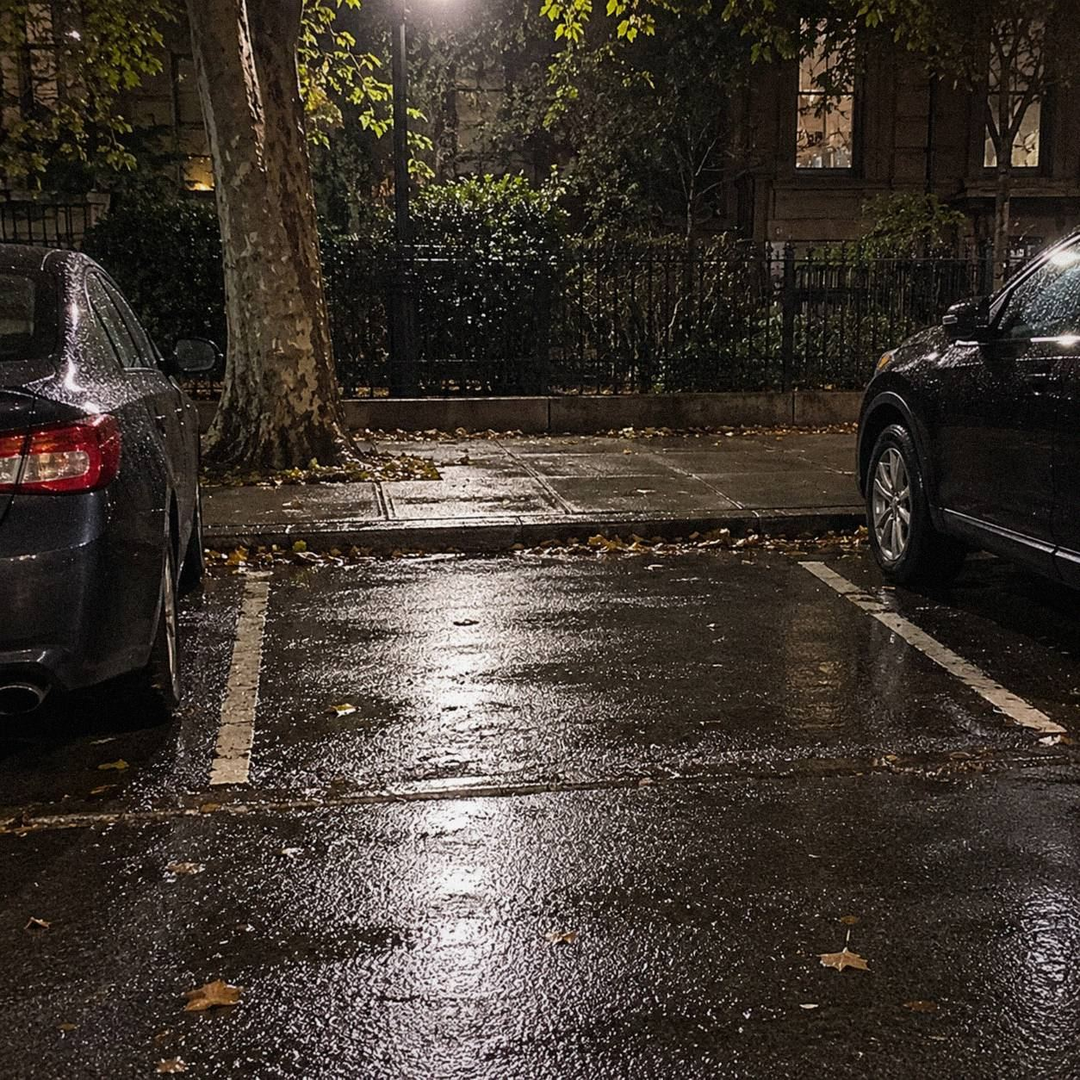
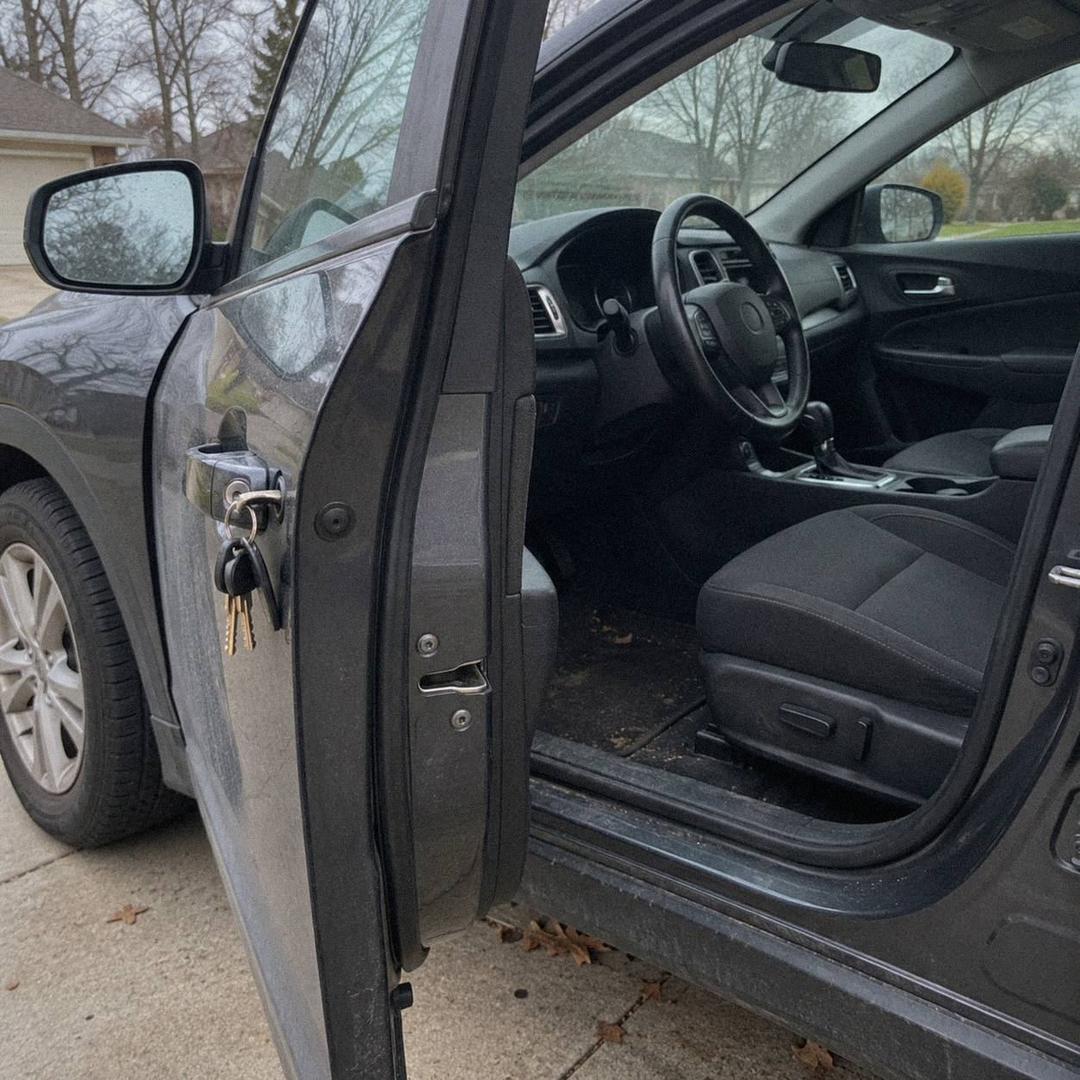
Five long-form editorial natives at full native length, 971 to 4,473 words each against the rejected batch's roughly 100, each ported from its own fitting donor among our 173 Eagle native winners, with the 4,473-word car-theft script built as the Rosabella cardiac-pathologist insider isomorph. The strip at the top of each card holds the five scene wrappers for that script, and you can click any to open it full size; the mock below shows wrapper one with the full body. Every image is a scene-only documentary snapshot of a moment the story names, with no people, product or text. It is staged for review before any Meta launch.
My mother has dementia. In the cereal aisle of a grocery store she had been to a hundred times, I figured out what her nurse actually meant.
She was two steps ahead of me. I stopped to read a label. A minute in, I looked up and the spot where she had been standing was empty.
My heart dropped. Maybe for ten seconds. Long enough for the woman behind me to ask if I was alright.
Mom wasn't at the registers. Mom wasn't by the carts. And I stood there turning in a slow circle in a store she knew by heart, looking for a woman who no longer always knew the way home.
That's when I understood.
If she walked out that door right now, I would call the police. The police would come. And the police would ask me where she might have gone, and I would have to stand in the parking lot and tell them I had no idea.
Gone. For hours. Anywhere.
I knew she still had her wallet on her. I knew because I am her daughter and I check her purse every morning. The police in that parking lot would not know where it was.
Her phone was at home on the charger. Her car keys were in my pocket.
What was on her, the way it always was, was the brown leather wallet she had carried for thirty years.
I did not sleep that night.
A clerk found her twenty minutes later in the stockroom, calm, looking for the way out. My sister met us in the lot. The kids ran at Grandma and she bent down and scooped them up, and I watched her do it and thought, she is still herself. That is who she is. She is not going to stop going to the store. She is not going to stop walking to the park at the end of her street in the morning.
And I do not want her to stop. That is the entire point.
She watched her own mother shrink. She watched my grandmother spend her last 8 years being told no. No more driving. No more cooking. No more living alone. No more anything. Grandma went from the woman who taught me to make pie crusts to a person who was allowed to sit in a chair.
My mother told me when I was 12 that if she ever ended up like that, I had her permission to push her off a cliff.
I laughed. She did not.
So at 2 AM at my own kitchen table, I started Googling.
What I found was useless.
"Keep a recent photo and a description ready in case they wander." I do. It is on my phone, next to the grocery list.
"Consider a GPS pendant with monthly monitoring." Mom calls those scams for old people. She asked me last year why she should pay $40 a month for the rest of her life so a stranger can watch a dot on a screen.
"Get them an Apple Watch." I bought her one for her birthday. She gave it back to me at Thanksgiving and said I am not Dick Tracy.
"Put an AirTag on her keychain." We tried. She noticed it the first week, worked it loose, and left it in a dish at a diner forty miles away. None of that helps me find a woman who has already walked out the front door.
I closed the laptop at 3:18 AM.
The next week I called the memory clinic and asked if the nurse who ran her intake, Diane, could call me back when she had a minute.
She called the next day. I asked her what would actually happen if my mother walked out of the house while I was asleep. Not the search party. Not the paperwork. The first hour. The one that matters.
She was quiet for longer than I expected.
Then she said: "The families who find them fast all do the same one thing. They stop trying to put something on the person, because someone with dementia takes off anything they do not recognise. They put it in the one thing she will never leave behind. Her wallet. A flat card in the wallet that shows you, on your own phone, exactly where that wallet is."
I asked her what happens if there is nothing in the wallet.
She said: "I had a family last year. Father, 78. He walked out during a nap and nobody knew for three hours. They had a pendant alarm he had taken off and left on the bathroom sink. By the time the police organised a search he was nine miles away on a county road. He was alright. But his daughter told me those three hours took a year off her life. There was nothing on him that could tell anyone where he was. There almost never is."
I asked her what she tells the families she sees.
She said: "A flat tracking card. Slipped into the wallet, down behind the bank cards where she will not notice it and will not pull it out. It shows up on your phone on the same map you use to find a lost iPhone. One card in the wallet, one in the glove box of her car. Both places. Not one. Not the other."
I asked her why no one had ever told me this.
She said: "Because most people do not ask. They assume their parents will be fine. They almost always are. And then, sometimes, they are not."
I ordered them that night. Stayfound. $39 a card. Credit-card thin, 1.8 millimetres. Made to look like one more card in the wallet, not a tracker.
What sold me was how little it asked of her. Nothing to wear. Nothing to charge every night. Nothing to notice. The one thing she will never leave the house without, finally telling me where it is.
It works with the Find My app already on my phone, the same one that finds a dropped iPhone, so there was no new app to learn. It charges on a wireless pad every few months and the battery lasts up to eight. No subscription. No monthly fee. No annual anything that creeps up on the credit card and makes her angry. It carries a lifetime warranty and a hundred-day money-back guarantee, which matters because she is hard on everything she owns.
It arrived on a Tuesday. I almost did not tell her at all. I had written the conversation in my head 100 times. I was sure she would push it back across the kitchen table and tell me she was not a child.
She did not.
She turned it over in her hand. She looked at how thin it was. She slid it into her wallet behind her library card, where it disappeared. And then she said, quietly: "Your grandmother should have had one of these."
She carried it out the door that afternoon. She has not noticed it in eight months.
She is still going. She walked to the farmers market again last Saturday, by herself. She went to her church group in May and stayed for the lunch after. She is planting out the front beds this spring and she has been very specific that no one is to touch them.
The card has not changed her.
What changed is me. I have stopped lying awake at 11 PM waiting for a call from a stranger about a woman found somewhere she should not be.
Because if she walks out the door, I can open my phone and see, in two seconds, exactly where her wallet is, and walk straight to it. And she might walk out. She is 74. She has dementia. That is the math.
That is the only thing I ever wanted. I wanted her to keep doing the things she loves without my whole family circling her like she is already gone.
If your mother wanders, or your father has started leaving the house and forgetting the way back, there is a specific thing you can do that almost no one tells you about.
Mom is still going. Yours can too. Take a look:
I was 59 years old when I sat in a neurologist's office because I thought I had early-onset dementia. Losing my wallet at home. Walking into rooms with no idea why. Unable to say where I'd set a thing ten seconds ago.
Turns out, it wasn't my brain dying. It was something that happens in every head, every single day.
Let me explain.
I used to keep track of everything. The one who never lost her keys. The one who always knew where her purse was, without thinking.
Somewhere around my 57th birthday, that person disappeared.
It started small. Setting my wallet down and losing ten minutes to find it. Patting my pockets at the front door. Standing in the grocery line unsure which bag it was in.
Then it got worse.
I tore the house apart one morning and found my wallet in the fridge. Just stood there holding it by the milk, late for work.
I cancelled every card I owned one afternoon. The wallet was under the car seat the whole time.
I started leaving notes for myself because I couldn't trust my own brain anymore.
By the end of every week I was wrung out. Dumping my bag out again. Checking the same drawer twice. Running late to pat down the same four places.
I thought this was just aging. Just what 59 felt like.
Then my husband said something that terrified me.
"You tore this house apart for that wallet three mornings this week. You didn't even remember where you'd been."
That's when I called the neurologist.
I sat in her office convinced she was going to diagnose me with early-onset Alzheimer's. I'd already started grieving the person I used to be.
She ran tests. MRI. Cognitive assessments. Blood work.
Everything came back normal.
"Your brain looks fine," she said. "Let me ask you something. When you set your wallet down, do you notice where?"
I told her. The pile of notes. The panic every morning. The same four places I checked no matter how careful I tried to be.
She nodded slowly. "Has anyone explained how your memory files a moment away?"
No one had. I thought losing things was carelessness, nothing more.
Then she told me the thing no one else had. Your brain cannot record every small moment.
"Your brain keeps what matters and lets the rest go," she explained. "The two seconds you set your wallet down were never written down. Nothing's wrong with you. It was simply never recorded."
I almost cried with relief. It wasn't dementia. It was fixable.
She told me to pick one spot and always leave my wallet there. I tried for a month and waited.
It didn't.
I couldn't keep it up. I'd be out the door before I set it down. Then at a red light, heart racing, no idea where it was.
I tried three systems over 4 months. A bowl by the door. A hook. The little dresser tray everyone swears by.
Nothing worked.
The lost mornings stayed. The panic stayed. The tearing-the-house-apart stayed.
I went back to the thing everyone pushed on me. I put an AirTag on my keys. It was so thick the wallet wouldn't close, and I pulled it out within a week.
And I still couldn't leave the house without that sick pat-down of every pocket.
I tried everything else. Reminder apps. A backup wallet. A note on the door. Everything the internet swears helps.
Nothing.
I started to accept that maybe this was just my life now. Maybe the organised, on-top-of-it woman I used to be was gone for good.
Then last November, I was at my niece's birthday party.
Her father-in-law Martin, who'd lost his own wallet too often, asked why I looked so frazzled.
I told him everything. The lost mornings. The cancelled cards. The AirTag I'd pulled out. The fear that I was losing my mind.
He listened carefully. Then he said something that stopped me cold.
"Have you tried a card that tells you where your wallet is?"
I didn't understand.
He explained that for most people who keep losing things, it isn't really a memory problem.
It's a question of where the thing is.
When you set your wallet down without recording it, your brain has nothing to pull up later. There's no picture to find. That's what sends you tearing through the house. The panic. The lost mornings.
An AirTag asks you to remember you own it and dig it out. But if you never recorded where the wallet was, you're fighting your own brain every morning.
That's why so many people give up on it. The problem was never that you don't try hard enough.
I sat there staring at him.
For 4 months I'd been punishing myself over a problem no amount of trying harder was going to fix.
My brain wasn't failing. It just never recorded where I set things down, the way no one's does.
That night at 11 PM, I started researching.
Martin was right. A flat card could sit behind the other cards and report where it was to your phone, on the same network your iPhone uses.
At 1:30 AM, I found something called Stayfound.
A card the size of a credit card. 1.8 millimetres thin. Made to disappear behind the other cards and tell you, on your phone, where it is.
I ordered three of them that night.
When it arrived, I didn't tell anyone. I'd been disappointed too many times.
I just slid one behind my library card and went to work.
I lost it that very first afternoon.
And I just... opened my phone.
No panic. No tearing the couch apart. No sitting on hold cancelling cards.
There it was.
It was in a coat I'd hung up and forgotten. Thirty seconds. Still me.
I cried in the hallway. Actual tears. Because I'd forgotten what it felt like to not dread my own front door.
That was 6 months ago.
The lost mornings are gone. The cancelled cards are gone. The pat-down at the door is gone.
I'm calm again. On top of it again. The person I thought I'd lost for good.
All because someone finally told me what was wrong. Not my memory. Just that nothing could say where it was.
I don't know who needs to hear this.
Maybe you're scared you're losing your mind at 55, 60, 65.
Maybe you've tried an AirTag and it was too thick for your wallet.
Maybe you've accepted that losing your wallet is just your life now.
If that's you, you have a decision to make.
Option 1: Keep tearing the house apart every morning. Keep cancelling cards you didn't need to cancel. Keep feeling stupid a little more each day.
Option 2: Accept the panic. Accept the lost mornings. Hope it doesn't get worse.
Option 3: Try Stayfound. Slip one behind your cards. See what happens when your wallet can finally tell you where it is.
It's $39 a card, buy two get one, so one goes in your wallet, your bag, and your car. Free shipping.
No subscription, no monthly fee, nothing that quietly charges your card again.
Plus a 100-day money-back guarantee and a lifetime warranty. That's over three months to live with it. If it doesn't change your mornings, you get every dollar back.
Take a look below.
Your wallet was never really lost. You just never had a way to see where it went.
If you lose your wallet somewhere in your own house every week... But everyone keeps calling it carelessness and telling you to just be more organised... I need you to read this.
Because I just spent three years and a stack of cancelled cards learning what no one ever thought to tell me.
It started small.
A wallet left on the kitchen counter. Nothing I thought twice about.
I figured it was nothing.
Just distracted...
Getting older...
Maybe I was in a rush that morning...
It didn't pass.
It started happening more...
Creeping from once a month into every few days.
Then it was most mornings...
Then every morning...
Then a frantic search that ate the start of every day.
I started hiding it from the people I live with.
I'm 62.
And for three years, I've been doing this.
Everyone I asked gave me the same advice.
They looked at me, shrugged, and said the word I had started to believe about myself.
"Scatterbrained."
They said my memory was just bad, and that doesn't really change.
They said I could try to manage it.
So I tried reminder apps, then a designated spot, then a bowl by the door.
Three systems.
And still ten minutes lost before I could walk out the door.
And my wallet still vanished every single week.
I asked another person.
Same answer.
I asked a third.
Again same story.
"You're careless." "It won't change." "Learn to live with it."
So I tried...
I stopped carrying much cash.
Kept a backup card hidden in the car.
Stopped being happy as much.
I even started choosing bags by how fast I could search them, instead of how they looked.
That's what this does to you.
It makes your world smaller one tiny choice at a time...
Then one morning, already late, I was sitting on the edge of the bed with the whole contents of my bag beside me.
My husband was asleep.
The house was quiet.
And I was staring at a pile of my own things like they belonged to someone else.
It all looked normal.
But I couldn't find the one thing I needed.
That morning I started searching online again.
"Why do I lose my wallet at home"
"Losing things but not lazy"
"Misplacing my wallet every single day"
"Is losing things actually my fault"
"Why reminders never work for me"
That's when I found an article that stopped me cold.
It was written by someone who studies how memory works...
And the first thing they explained made me put my phone down for a moment to let it sink in.
The reason you can't find it has nothing to do with trying harder.
It starts the moment you set it down. Your brain keeps what matters and drops the rest.
That dropped moment is why the wallet seems to vanish into thin air.
And when nothing you own can tell you where your wallet is, you are left to search the whole house on the memory that already let you down.
Here's the part no one ever explained to me.
A normal brain can look exactly like a careless one.
The cancelled cards. The lost mornings. The panic. The dumped-out bags. The shame.
Exactly the same symptoms.
Completely different cause.
That line stopped me cold.
Because a careless person may never change.
But a brain that never recorded it was never the problem.
You just have to let the wallet tell you where it is.
For three years, everyone kept trying to fix me.
But the article showed why the real problem was never me the whole time.
That's why the reminders never fixed me.
They only added one more thing to remember.
They never gave the wallet a voice of its own.
The article explained the one simple thing that has to be true for a lost wallet to find its own way home.
And it showed why most people who lose things are never told this.
That's the part that made me angry.
Because if this was true, I had lost three years to the wrong answer.
Three years of reminders, cancelled cards, and being told to accept something that was never really my fault at all.
I did what the article pointed to and slipped it into my wallet.
By the end of the first week, my mornings were already different.
Not perfect, but calmer.
Like someone had turned the volume down.
Around week two, the panic was no longer constant.
Whole mornings would pass where I didn't think about my wallet.
Week three arrived and I got out the door without once dumping my bag.
First time in years.
By the end of the month, I left the house without patting a single pocket.
I had watery eyes in the driveway.
Because for the first time, I realized something:
My memory was never the broken thing.
My wallet just never had a way to answer.
If you've been told you're just forgetful...
Especially if it happens at home...
If it's the couch, the coat, the car seat...
If it's the same four places every time...
If you've cancelled cards you didn't need to...
If the reminders and the one designated spot only add to the pile while the wallet keeps vanishing...
Please take a look at this before you accept that you're just hopeless with your things.
It explains why losing things can have nothing to do with how careful you are.
Why the problem was never your memory.
And why giving your wallet a way to speak up can change your whole morning.
The link is below.
Don't spend another year blaming yourself if the real problem was never you.
You were never careless.
Your wallet just never had a way to tell you where it went.
And I'm sitting here absolutely furious because I've wasted over a year watching my husband turn this house upside down every morning for his wallet.
So for the past 14 months everyone kept telling me "just remind him, he'll get better at it."
My own mother gave me this whole list of tricks to get him to keep track of it.
A dish by the door, a hook for the keys, always the same pocket.
So I nagged and reminded while he kept losing it anyway.
And every few weeks I'd think "okay maybe it's finally sticking?"
But there was always another lost-wallet morning so I'd tell myself just give it a little longer.
Month after month after month.
Meanwhile it's been years and I'm watching other couples who never once lose a thing.
And I'd think "what are we doing wrong?"
But everyone said don't make a thing of it, he'll sort it out eventually.
So I kept nagging.
For 14 months.
While he kept losing a wallet I went looking for SO MANY TIMES each week.
So last week I was scrolling at 11 PM reading through tips that might help.
And I saw this comment that made me stop cold.
And I'm staring at my phone thinking... wait, WHAT?
So I kept reading and the next line actually got to me.
"The reason isn't that he's careless. It's that nothing he carries can tell him where it went."
And I've been nagging him for years while the real problem had nothing to do with him?
So I went down a complete rabbit hole that night.
And I'm sitting there at midnight getting angrier by the minute.
Because I wasted years blaming a man for something that was never his fault.
So the next morning I asked online "why do some people lose things no matter how hard they try?"
And someone who studies how memory works replied within an hour.
She said "your brain only files a moment if your attention is on it, and setting something down takes no attention at all."
And I'm thinking okay, explain that in English because I haven't got a CLUE what any of that means.
So let me try to explain it simply:
So she said memory runs on attention.
You do something, you pay attention, your brain files it away.
Touch a hot stove, feel the pain, your brain keeps it forever.
Set your wallet down mid-sentence, notice nothing, and your brain files nothing.
But setting something down on autopilot skips the "pay attention" part completely.
When your hands move without your attention, the moment is gone in seconds.
You never clock it, never picture it, never register it at all.
So your brain never connects "I set it down" with "here is where."
There was never a signal to erase, because your attention was somewhere else.
Like trying to remember a page you never actually read.
You will lose it forever because there was never a memory to go back to.
And THIS is why we're told to just try harder.
Without your attention on it, your brain genuinely never recorded a thing.
He was never careless. Nothing he carries could tell him where it went.
So I'm reading this absolutely FUMING.
I've been nagging my husband for years to "just be more careful."
"So what do I do now?"
And she said you can't nag it out of him, because that was never the problem.
And you can't keep hoping he'll magically start remembering something his brain never recorded.
So you need something in the wallet that can report where it is on its own.
When the wallet goes missing, you just look at your phone.
Lost → Open the app → Walk straight to it.
The searching finally stops. For both of you.
So she pointed me to a flat card called Stayfound.
It's the size of a credit card, 1.8 millimetres thin, and it tells your phone exactly where it is.
It works on the same Find My network your iPhone uses when you drop it.
She said most of the cheap cards die in a month, especially the ones on amazon.
But this one she'd used herself and never lost a thing since
This one actually shows you where it is before you've torn the house apart.
So I ordered a few that day because I was done searching.
Day one he lost it twice, and both times we just looked at my phone.
That had NEVER happened before, because there was never a way to look.
And each time he looked at me like "wait, that's it?"
The wallet was finally telling us where it had gone.
Day three he found it himself BEFORE I even got up.
It was under the couch again, but he had it before breakfast was over.
The calm I'd waited years for arrived in three days.
Week one he stopped asking me if I'd seen it.
No nagging, no reminders, just a glance at the phone.
Week two he misplaced it twice, and found it twice, in seconds.
My sister came over and said "wait, he's not losing his wallet anymore?"
I said "yeah, once he had something that could actually tell him where it was."
Week three we flew to see his mother and never once tore a hotel room apart.
He checked his phone once at the gate and there it was.
LIFE CHANGING....
Also!!! I told two other wives whose husbands lose everything.
Both of them were at the end of their rope, nagging and searching just like me.
I sent them the link and two weeks later both said the fighting about it had just stopped.
One said "he hasn't made me late once since it arrived."
That little card did what eight years of nagging couldn't.
So if you've been searching for months or years for a wallet that keeps vanishing...
The problem was never the person who keeps losing it.
Hope this helps someone else who wasted years searching like I did.
EDIT: My bad I didn't even leave the link, so my messages are full of questions. Here's where to take a look:
The page should answer all the questions you have about it too.
I investigate stolen-car claims for an insurer. I've spent fourteen years opening files on cars that were already gone for good. The first thing you learn in my job is that a stolen car is gone, and the only thing that matters is how hard you made it to take.
Let me back up.
I work in the claims unit of a car insurer. When a theft doesn't add up — a car that was locked, alarmed, garaged, a file that looked airtight right up until it wasn't — the case comes to me.
There's one case that's stayed with me longer than most, because I didn't just see the end of it. I watched the whole thing build across five years of his file before the car ever landed on my desk as a total loss.
Year one. Male, fifty-eight. A 1969 Mustang his father left him, rebuilt over nine years in his own garage, insured for its real value for the first time. The underwriter's note: an alarm, a steering lock, keep it garaged, reassess next year. He does it. Every word of it.
Year two. He'd added an immobiliser, so the file dropped into a lower theft band. Note: good, add a second lock, keep it off the street. His wife told the adjuster she'd started making him snap a picture of the garage door shut before bed, because he'd once left it up overnight and wanted to be sure he didn't again.
Year three. He hasn't driven the car to a single show in two years, too worried to leave it in a lot. Note: protection excellent, continue current plan. Around this time, his daughter mentioned to the adjuster that he'd stopped going to the Sunday meet his brother-in-law ran. Said it was easier not to sit there and watch everyone else drive theirs while his stayed under a cover in the garage.
Year four. He'd put a dealer tracker on a monthly subscription, so the premium came down again. Note: well-protected vehicle, low risk, maintain. Nobody asked the one question. Nobody connected four years of locks and alarms and a subscription box to the fact that not one of them could say where the car was once it left the driveway.
There is no year five. His daughter called it in on a Saturday morning in May — the garage standing open, the cover folded on the concrete, the space where the car sat empty. On the last review, six weeks earlier, the underwriter had called it one of the best-protected cars on the book for a man his age.
I go and look at it anyway, once it turns up. And what's left never matches what the folder promised.
A shell on a flatbed, the doors gone, the engine he'd built by hand pulled clean out, the plate with his father's initials missing. It had been sitting in a salvage lot twenty miles from his house for most of three weeks.
The locks were perfect. The file was airtight. The car they were protecting had been reachable the whole time, and no one could see it.
This happens often enough that I stopped calling it unusual. Fourteen years in, it's not the exception. It's most of my Tuesdays. And every time, I find myself circling the same question the file never answers: if a better lock is supposed to save the car, why does the car keep vanishing anyway?
So when a job took me out to a small town in the mountains last spring to look at a recovered truck, I paid attention to something I normally wouldn't have.
The record in the old-car towns has been sitting in insurers' own files for years, and almost nobody talks about it. Fewer theft write-offs. Cars that get taken and are back in the driveway the same week. And a crowd that, by every rule I was trained on, should be a claims disaster — garages full of cars worth more than the houses, half of them left unlocked, keys hanging on a hook by the back door.
By everything I was taught, that shouldn't be possible. If a weak lock is what loses the car, the town leaving the most cars unlocked should be filling my files the fastest.
I needed to see it for myself.
I stretched the trip by a few days and arranged, through the body shop I'd come to see, to spend some time with the man who ran it.
The man who runs the shop is named Earl. He's close to eighty. Still under a car most mornings before his sons take over the heavy work. Doors left unlocked, most days. Keys on the hook. Cars in that shop worth more than most people's houses.
I sat in his office on the second morning, watching him hang a fresh set of keys on an open hook by the door, doing the math in my head. Nearly eighty. A lifetime of exactly the habits every insurer I've ever worked for tells a client to never, ever keep. No subscription tracker. No alarm company beyond a dog that slept clean through my arrival.
By everything I've spent fourteen years learning, a man like Earl should have been a stack of total-loss files decades ago.
I had to ask him directly. Wasn't he worried — the open doors, the keys on the hook, all of it.
He set his coffee down. Was quiet for a moment. Then he said something I wasn't expecting.
"I had a brother. Ray. Left for the city at twenty — wanted to do things the modern way. The proper way." He turned his mug slowly on the desk. "Alarm on everything. Club on the wheel. Kept his car in a locked garage, full coverage, one of those tracker boxes on a monthly bill. Did it all exactly the way they tell you, for thirty years straight. Called me every Christmas to say his car would still be in the garage long after mine was stripped for parts."
He looked out the window toward the lot.
"Ray's car went out of that locked garage eight years ago. His wife found the door open in the morning and the space empty. He never saw it again. I never got my brother back either."
He let that sit for a second.
"The companies keep telling my sons to treat every car like it's already half stolen," he said. "We never believed that. A lock's not the enemy and it's not the answer — a lock just slows a man down. What matters is what you can do once it's rolling. Ray spent thirty years bolting on locks and never once thought about that."
He nodded toward the back of the shop, toward a car up on a lift with its panels off.
"Come have a look. Easier to show you than tell you."
I followed him back. Past the cars I expected, there was one up on the lift with its door panel off — and tucked flat behind the panel, up where the wiring runs, was something that didn't belong to the car.
"Every man in this shop keeps one of these in his car," he said. "Not the box the dealer sells you. Not anything a thief would know to reach for. We've been hiding these in cars since the day they started working, and we don't tell the insurance companies, and we don't bolt them anywhere they'd get found."
He worked it free with two fingers and held it out to me flat on his palm.
It wasn't the bulky black box I expected from a tracker. It was a flat card, thin as the ones in my wallet, matte and plain, with nothing on it to say what it was.
"You said you look at stolen cars for a living," he said. "Can I ask you something?"
I nodded.
"When one gets taken," he said, "do you look at how they got in, or at where it went after?"
I told him I looked at where it went. That how they got in was just a line on a report by the time it reached me.
He nodded slowly, like that confirmed something he already suspected.
"Then you already know," he said. "The break-in, the busted lock — that's not what beats you. What beats you is the hours after, when the car's moving and nobody alive can see where. Ray bolted locks onto everything he owned for thirty years. Never once thought about what was happening to the car in the hours after it rolled out, while he was on the phone to the police."
He turned the flat card over in the light. "It's like anything that gets away from you. The lock fails, the door's open, and after that it's only a question of whether you can still see it or not. A car's no different. It isn't gone the second it's taken. It's gone once it's moving and there's nobody left who can point to where."
I stood there with fourteen years of claim files running through my head. It was never the lock. The report calls it a theft and the payout calls it a total loss, but the one thing that decides whether a car comes home is whether somebody can see where it went in the first hours — not how good the alarm was, not how fast the report was filed. The locks only worked on the part before it rolled. Nothing in the kit touched the part that decides it, which is where the car is right now and who can see it.
An old shop owner leaning on a lift had just described, in two sentences, the exact thing I'd spent years watching play out in files my colleagues never read past the first page — and exactly what took his brother's car, years too late for anyone to tell Ray.
"That card," I said, nodding at it in his hand. "That's not just hidden well. That's doing something."
"That's the whole point of it," he said. "Flat enough to ride where no one digs, and it talks to every phone that drives past without anyone touching it. Nobody out here has a fancy word for how it works. We just know the men who keep one in the car, alongside everything else, are the men whose cars come back."
"There's more to it than just hiding it well," I said — not quite a question.
He smiled a little, like I'd finally landed on the right thing.
"There's the second half. Hiding a tracker where a thief won't find it is only half of it. The other half is keeping the thing alive and working the day it matters, without you ever having to think about it. That's the part those subscription boxes take away instead of giving."
He told me what he'd learned the long way, and the men before him — that a flat card tucked into the body does what the bolted-on box never could, though he had no words for the network behind it, only forty-some years of watching it play out in his own town. Men whose cars got taken and were back in the driveway by the weekend. And the handful who'd paid for the dealer's box instead, he said, "lost the car anyway, and kept paying the bill for months after it was gone."
I already knew what he meant from my own files. The tracker the dealer bolts in runs off the car's own wiring, sits in a spot every chop shop strips first, and a pro has it out and in a ditch inside a minute. And the month a man forgets the payment, it goes dark, and nobody calls to tell him. The one device sold as the answer is the first thing a thief pulls — and the files I'd read for years were full of cars with a dead subscription box still bolted under the dash.
A car no one could see once it moved. A tracker a thief pulls in the first minute. Two separate failures, from two separate directions — one the locks were never going to fix, and one the box sold as the fix was quietly making worse. Ray fought the first with everything he had for thirty years and never touched the actual problem once.
Earl's flat card wasn't a better lock. It answered both failures at once — riding where no thief would dig, and putting the car on a map in the owner's hand the hour it went. Nobody in that shop had a phrase for "the Find My network." They just had forty years of watching their own cars get taken and come back.
You are not careless for trusting the lock. You are not a fool for filing the report the second it was gone, or for paying the monthly bill on the box, or for believing the alarm was the thing standing between you and an empty driveway. If you have spent years doing exactly what you were told and still lay awake every time the car sat somewhere new — you did not fail. The advice failed you. You guarded the one thing you loved against the wrong half of how it's actually lost.
Later that morning Earl walked me out back and introduced me to two of the men who work with him — both near seventy, both with cars worth more than their trucks, both leaving the keys on a hook the same as Earl. None of them with a subscription box. None of them ever told to get one. It wasn't a rejection of alarms or insurance. It was simply that nobody out there had grown up believing the lock was the whole story.
I drove back to the office with a file to close and a question I couldn't put down: why isn't anyone in this whole business looking at this.
The honest answer, once I went looking, wasn't a conspiracy. It was simpler and somehow worse.
The whole business was built, decades ago, around stopping the theft and paying for the ones it couldn't, because those are the two things a company can measure and sell. Once that was the model, nobody wanted to say the quiet part, that after the car rolls out no one in the building is assigned to find it. Generations of adjusters, including the ones who trained me, were taught to take the report and cut the cheque. The cars kept vanishing. But the model never changed. Whole cities of people were told a better lock was the answer, and nobody checked what was happening to the car in the hours after it was gone.
The standard advice is built around the lock because the lock is the easy thing to sell and score. The tools to see where a car went exist — the same network in every iPhone — but they're not part of how a car gets sold or insured, and most people who buy a car have never put one inside it. You cannot find what no one can see.
And the subscription box going dark the month you stop paying isn't a secret — it's in the fine print. It's just never said out loud, because the whole pitch is built around the monthly fee and the sticker in the window. If the car's in the driveway this morning, the policy's a success. Nobody's checking what happens the one morning it isn't.
The first person I told was Diane.
Diane and I came up together, and she's worked auto theft for almost as long as I've worked claims — which meant she'd spent her whole career on the other side of the thing I usually only see the end of. She actually chases the cars whose files eventually land on my desk as a loss.
I called her the week I got back and walked her through Earl, Ray, the card behind the door panel, the whole of it. I expected her to push back — she's careful that way, it's why she's good at her job.
Instead she went quiet for a second, then said, "I've had cases where the owner did everything right on paper — alarm, club, garage, the box on a monthly plan — and the car still vanished for good. I never had a reason for it. I just wrote it off as the way it goes in this city."
She put one in her own car two weeks later. A plain truck she'd never have bothered to protect, the kind she'd tell an owner not to lose sleep over, let alone herself. A month in, she sent me a picture of the card flat behind her glovebox liner with one line: "Detective, twenty years, hiding a card in my own truck like a paranoid old man."
The cars she got back that year were the ones whose owners could open a phone and point to them. The rest she wrote up and never saw again, about one in ten ever closed. Six weeks in, she told me she'd left her own truck in a part of town she'd never have risked before and not thought about it once — "as a test," she said, though neither of us believed that.
That's when it stopped feeling like a personal curiosity and started feeling like something I couldn't sit on.
I started taking Earl's idea seriously enough to try it on my own car. A car I'd kept covered and barely driven for two years — the kind of thing I'd have told a client to just enjoy and stop worrying about.
I wasn't going to drive three hours to Earl's shop every time I wanted a panel pulled. So I did what I do for a living — I went looking for the actual thing he'd shown me, the real flat card, the kind that rides where nobody digs and runs on the network already in every phone.
I want to be honest about what I tried first, because it wasted a month.
I dropped an AirTag in the console. Quick, right there on the shelf at the phone store. I figured a tracker was a tracker — I look at stolen cars, not gadgets.
A week in, I did what I'd watched a hundred thieves do in the files. I ran my hand under the seats and through the console the way a man empties a car in the dark, and the hard round puck was the first thing my fingers hit. A pro flicks that out the window pulling away. The one in my wife's car had gone dead in a drawer months before, no warning. I'd been carrying a fob that announced itself.
That sent me down the same hole I go down on every file that doesn't add up — reading the real thing instead of the label. A flat tracking card isn't a smaller AirTag. It rides flat behind a panel or under a liner, where a hand sweeping a car in the dark never lands, and it reports its spot off the same Apple Find My network built into every iPhone, so a car moving through a city passes a thousand phones an hour that quietly mark where it is. The pucks and bolted boxes are made to be seen and sold; the flat card is made to be forgotten and found, which is the whole point.
I found one company making that same flat card the shop men swear by — credit-card thin, matte, nothing on the face of it, built to ride where nobody digs and to run for months off a wireless pad instead of a wire. The exact thing, near enough, that Earl had worked free from behind that door panel. The company is called Stayfound.
I put one in — a single card, a millimetre and a half thick, slid flat behind the glovebox liner, exactly where Diane had hidden hers.
For eight months the card did nothing I could point to. That's the honest truth. It sat behind the liner and I half forgot it was there.
Then, one Tuesday, I came out to the street where I'd left the car and the space was empty. The same empty space I'd photographed in a hundred files. For about ten seconds I felt exactly what every one of those owners felt.
Then I remembered what was behind the glovebox liner. I opened my phone. The map drew a dot on a street I didn't know, moving, then settling behind a row of units on the edge of town — the kind of place a classic ends up before it's cut apart over a weekend.
I didn't drive out and play hero. I did what Earl said the shop men do — I called it in and handed the police an address instead of a description. They had a car in front of them, not a line on a report. It was back in my driveway by the next morning, the card still flat behind the liner.
For fourteen years my job had started the moment a car was already gone for good. That was the first time I ever stood on the other side of it. Nothing about the car had changed, and nothing about the locks had changed. What changed was that, for once, somebody could see where it went, and so it came home.
I still open files on cars that are gone for good, more Tuesdays than not — a locked garage, an alarm that worked exactly as sold, and an empty space where the thing somebody loved used to sit.
I think about Earl every time now. Near eighty, keys on a hook, doors unlocked, and every car he's ever owned still his, because the day one rolls out he can stand in his shop and watch it on a screen like it was nothing. And I think about Ray — thirty years of locks and alarms and a monthly box, a garage door found open one morning, and a car he loved that he never saw again.
Two brothers. Two roads. One of them spent thirty years bolting on every lock they sold him to fight a thing that was decided in the hours after the lock had already failed. The other one left his doors unlocked and protected the only thing that actually decides it, and still has every car he's ever loved.
That's the choice, when it comes down to it. Keep buying the next alarm, the next club, the next monthly box, keep waiting to be the one car in ten the police ever close, keep believing the lock is doing something it was never built to do — and end up like Ray, standing in front of an open garage with nothing to look at. Or put a flat card in the car and be the one who opens a map the morning it's gone.
I'm not telling anyone to cancel their coverage or rip the alarm out of the dash — keep the policy, keep the lock, the way Earl's men still keep a dog and a solid door. What I am telling you is that the lock was never the whole picture. I spent fourteen years finding that out over totalled files. Diane spent her whole career chasing it from the other side without a name for it. Ray spent thirty years guarding the wrong half. I'd rather you hear it from a card in the door than from any of us.
The company is called Stayfound. The card is credit-card thin, a millimetre and a half, matte and plain so it reads as one more card in a stack, and it rides flat where no thief digs. It charges on a wireless pad, runs up to eight months on a charge, and reports off the same Apple Find My network that finds a dropped iPhone — no new app, no monthly bill, which is more than I can say for the box I watched go dark in a hundred files.
It carries a hundred-day money-back guarantee. Slip one in the car, and if you want your money back inside a hundred days, you send it back.
https://stayfoundco.com
I don't know what Earl would make of ordering one off a website. But I think he'd know the card the second he saw it. I think Ray would have wanted to.
P.S. — The men in Earl's shop don't agree on where the card goes. Some slide it behind the door panel, some under the glovebox liner, some in the trim behind a seat. The one rule they all agree on is the one a thief taught them: never anywhere your own hand lands first, sweeping the car in the dark. Flat, forgotten, out of reach. That's the whole trick, and it costs nothing to get right.
P.P.S. — Diane still writes the same reports under the same guidelines she was trained on. But there's a flat card behind the glovebox liner of her own truck now, and one in my car, and last month I drove it to a show, parked it in a field full of strangers, and didn't check my phone once the whole day, because I didn't have to. That's new.
P.P.P.S. — If you're reading this for a father or a husband who leaves the car unlocked on the driveway and waves off "another gadget" — good, he doesn't have to change a thing. That was the whole point of what Earl showed me. Slide one flat behind a panel and leave him to it. Ask him one thing: if it were gone off the driveway tonight, could he open his phone and see where it went? Most men can't answer that. Neither could I, fourteen years into a job built around finding out the hard way. Neither could Ray, and he never got the chance to ask it in time.
https://stayfoundco.com